
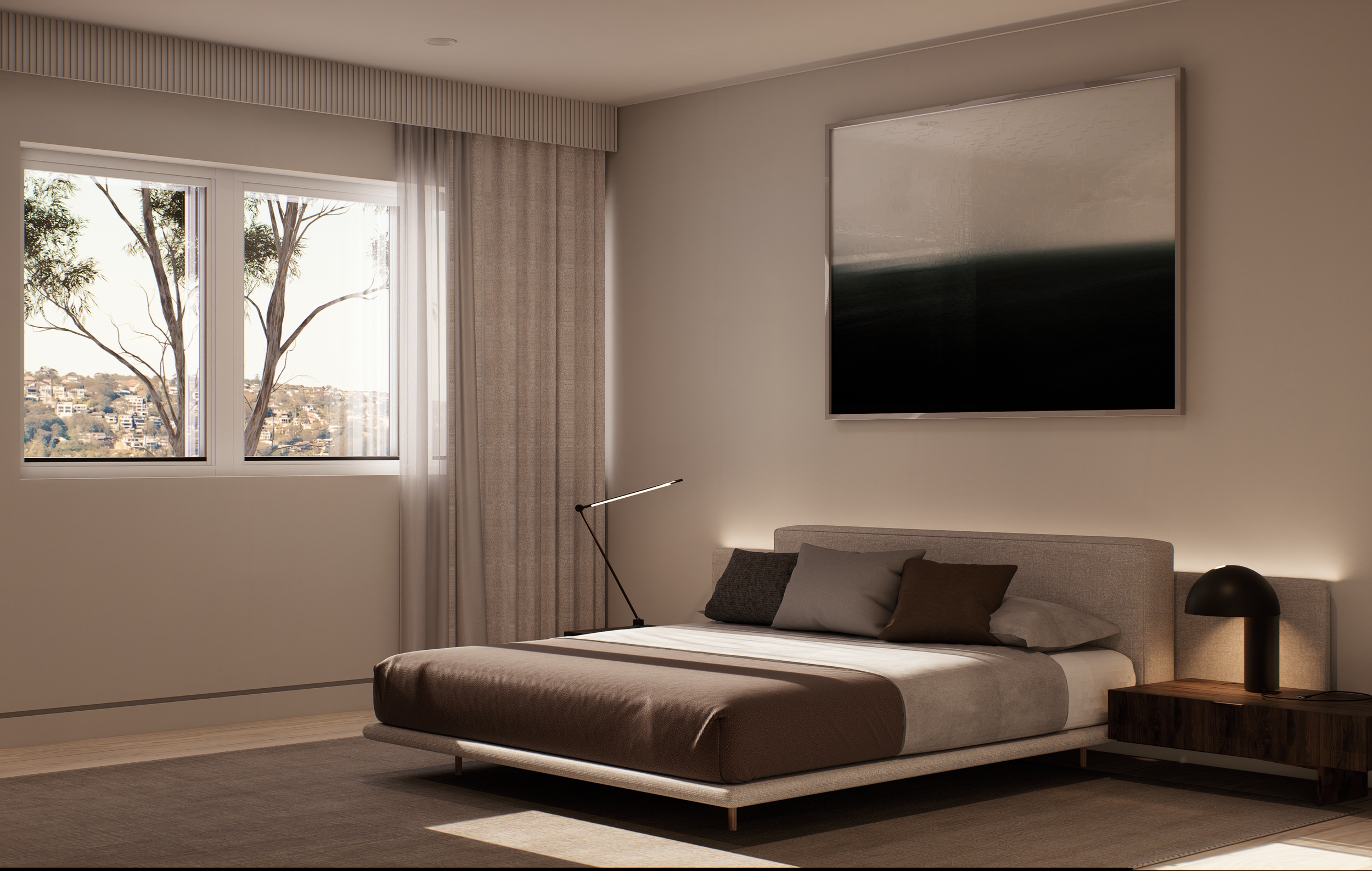
Well-planned interiors don’t just look good; they change how a property is used, photographed, and priced. Recent Australian reporting shows styled or design-led listings regularly outperform the market, with Melbourne data pointing to typical premiums around the mid-teens and six-figure gains in some suburbs.
Why 20–30% is realistic in the right scenarios
A full design uplift is rarely about cushions and flowers. Value moves when design unlocks additional utility: a self-contained studio, a better bedroom count, or a flexible office that buyers can see themselves using from day one. Analysis of Sydney, Melbourne, and Brisbane housing stocks shows that adding an approved secondary dwelling of about 60 m² can lift a home’s value by as much as 30 per cent, while also improving rental income potential. In other words, design that turns wasted space into revenue-earning space can hit the 20–30% band.
Design choices that buyers pay for

Buyers reward plans that feel effortless: clear circulation, natural light, ample storage, and durable finishes that still read contemporary in five years. Energy efficiency now adds measurable premiums in Australian markets, so specifying high-performing glazing, insulation, and efficient lighting is about more than comfort; it contributes to price. Shortlists of the best interior designers Sydney often prioritise timeless palettes and materials that age well, which protects resale.
Presentation still matters on auction day
Good styling clarifies scale and use, which is why furnished, photo-ready rooms outperform empty ones. Industry surveys consistently find staged homes sell faster and for more money; even conservative studies place the price lift in the low single digits, which can be the difference between a pass-in and strong competition. Homeowners who search commercial interior designers near me are often chasing the same discipline used in office fit-outs—space planning, lighting, and a coherent visual language—applied to a home campaign.
Kitchens, bathrooms, and the risk of overcapitalising
Wet areas punch above their weight because buyers mentally price future disruption. That said, returns vary with suburb price bands and build quality. Australian guidance pegs typical returns for bathroom and kitchen upgrades in the 60–80% cost-recovery range; strong results come when layout improves at the same time as finishes. The point isn’t to chase luxury for its own sake but to achieve a level that matches local expectations and photography standards.
Reconfigurations that add real, bankable utility
Not every jump in value requires extensions. Smart re-planning can convert an oversize corridor into a laundry, split a large bedroom into two better-proportioned rooms, or carve out a quiet study with acoustic separation. Where site controls allow, a compliant garden studio or secondary dwelling unlocks new valuation comparables and can push gains toward the 20–30% range noted earlier. Rental yields also improve when a layout supports longer stays and multiple functions.
Commercial and hospitality links that influence value
For mixed-use or strata-titled assets, interiors influence foot traffic, dwell time, and tenancy quality. STR (short-term rental) markets show that characterful, well-finished listings earn higher occupancy and stronger nightly rates, which flows through to valuation methods that consider income. That’s why owners of food venues pay close attention to circulation, acoustics, lighting, and seating ergonomics—areas where restaurant interior designers Sydney bring hard-won experience about what actually drives spend per head.
Execution quality: where premiums are protected or lost
Documentation, compliance, and procurement decide whether a design holds its value. Tightly drawn joinery, proper lighting schedules, and product selections with known lead times prevent budget creep. Established commercial interior design firms Sydney typically carry supplier relationships that control costs and keep programs realistic, which protects the price premium you’re chasing. Equally, be mindful of diminishing returns: some upgrades won’t pay back in certain suburbs or market cycles, as resale data regularly reminds us.
Budget, timing, and campaign strategy
Two smart tactics reliably improve outcomes. First, prioritise line-of-sight improvements that photograph well—sightlines from entry to living, kitchen benchtops clear of clutter, continuous flooring, consistent warm-white light. Second, build a campaign calendar that gives your property time to breathe: complete punch-list items, style, shoot, then hit the portals with copy and photography that sell a lifestyle, not just a floor area. If you’re juggling a mixed asset or a home-plus-studio, consult commercial interior designers Sydney who understand both residential expectations and code constraints common to small workplaces.
The takeaway for owners
The 20–30% uplift isn’t a promise; it’s an outcome when design increases usable area, solves daily friction, and presents the result with clarity. Aim for changes a valuer can justify and a buyer can feel: better flow, a real extra room, quieter interiors, and finishes that look fresh in listing photos. Treat presentation as part of the build, not an afterthought, and your property stands a genuine chance of outpacing local comparables. If you’re weighing options, start with a feasibility that maps likely returns against costs and market evidence, then move quickly once the numbers stack up.