
Beyond the Bean: How to Design a "Third Place" Cafe That Feels Like Home
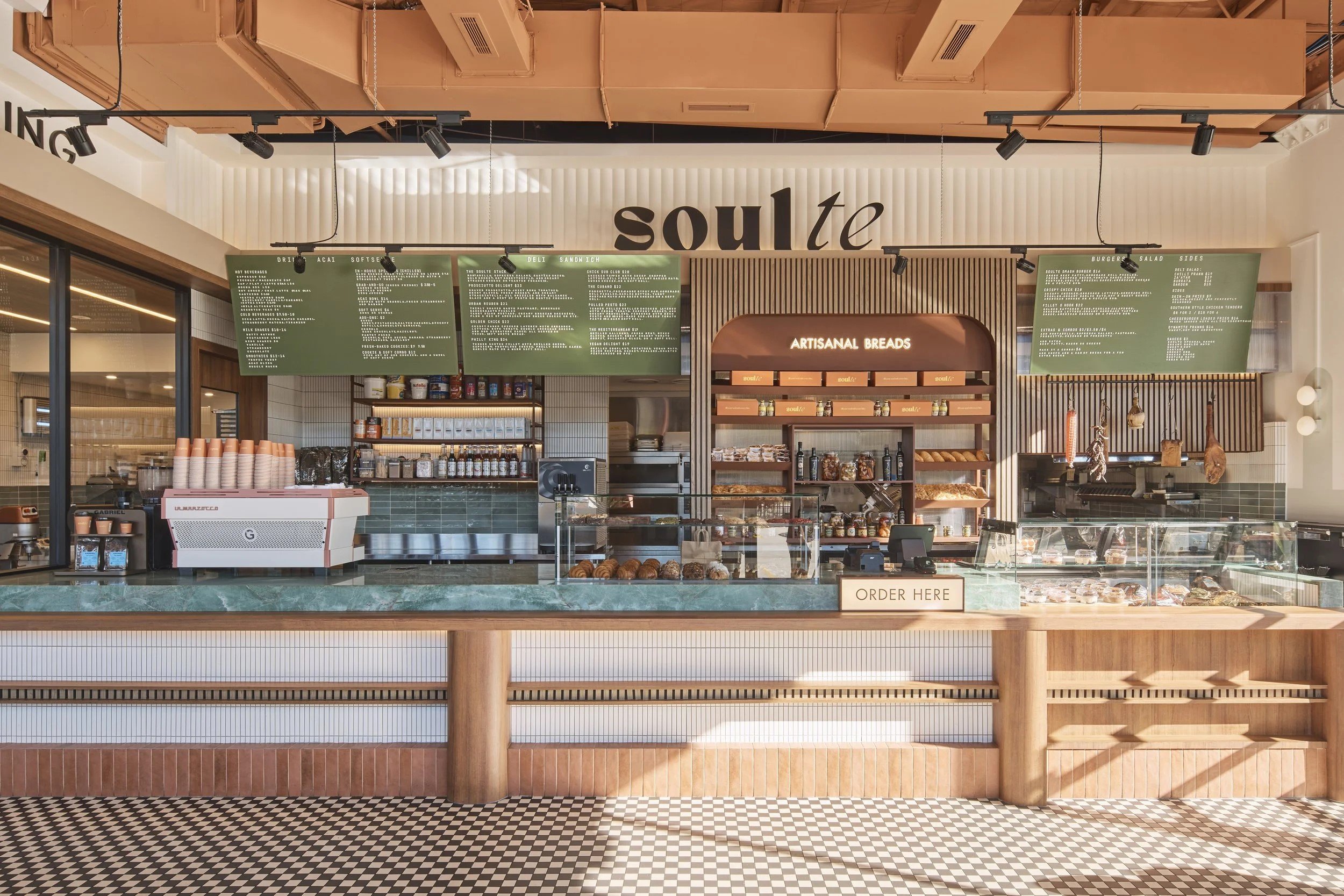
A true third place cafe does more than serve reliable coffee. It gives people a social “home base” between house and work, a room where regulars and newcomers feel equally at ease, and where staying for one drink or three hours both feel acceptable. Sociologist Ray Oldenburg described third places as neutral, accessible, informal spots where conversation and a sense of belonging grow naturally.
Cafes are particularly suited to this role, especially when their layout, acoustics, lighting and cultural cues are deliberately shaped around community rather than just turnover.
What is a third place cafe?
Neutral and easy to enter
The space should feel open to anyone, no membership or unwritten dress code. Sightlines from the door to the counter need to be clear, with staff able to greet guests quickly, which lowers social anxiety for first-timers.
Affordable for regular visits
Menu pricing must make repeat visits realistic. A third place cafe is less about special-occasion dining and more about a steady, reliable spot that locals can use several times a week.
Informal and conversational
Seating that invites people to linger, staff who do not rush guests away, and a low-key atmosphere all support casual conversations between friends and strangers.
Predictable but not rigid
Regular opening hours, familiar staff and a consistent layout give people confidence that their “spot” will still be there next week, while leaving room for events or seasonal touches.
Community anchored rather than generic
Local art, neighbourhood references and a noticeboard ground the cafe in its immediate area, which distinguishes it from chain venues that may struggle to feel like genuine third places.
Planning the layout for flow
Think circulation first, furniture second
Successful cafe interior design starts by mapping how people enter, queue, order, sit and leave. Designers emphasise clear routes and a logical sequence from door to counter to seating, reducing crowding and confusion during busy periods.
Define distinct zones
Provide a takeaway zone near the entry, a central area with movable tables for small groups, and quieter edges for solo guests or remote workers. Functional zoning supports different patterns of use without constant rearranging of furniture.
Seat types for different habits
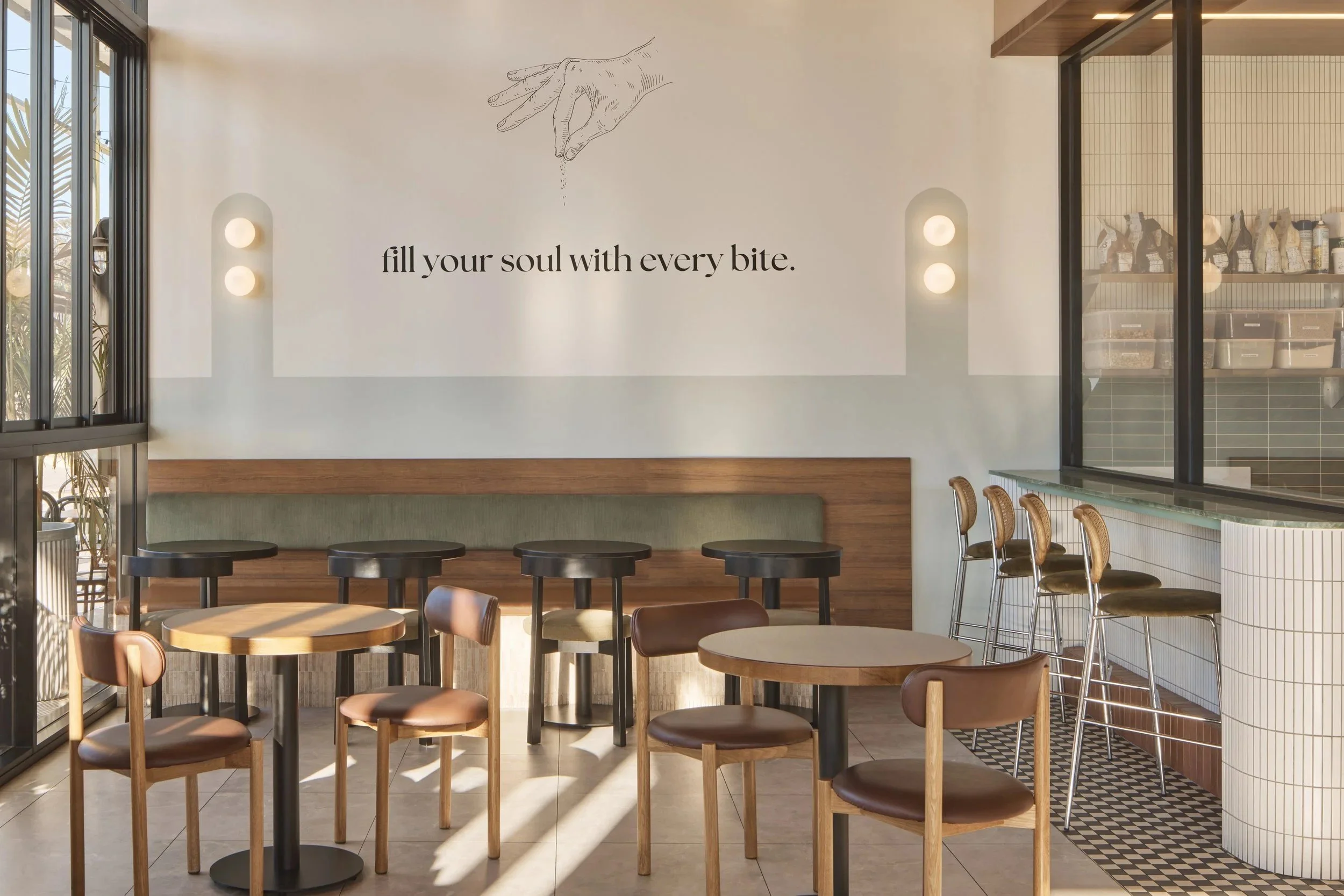
Mix bar stools for quick visits, standard tables for meals, and more generous lounge-style seating for longer stays. This variety encourages people to choose the seat that matches their purpose rather than occupying the wrong area.
Keep staff movement efficient
A well-positioned counter with good access to kitchen, coffee station and dish area shortens staff walking distances, which improves service speed and helps keep queues under control.
Plan for prams and accessibility
Wider circulation paths, step-free entries and thoughtful table spacing support wheelchairs, prams and mobility devices, and they also make life easier for staff carrying trays and equipment.
Comfort through light, sound and material
Use layered lighting, not a single bright wash
Combine ambient ceiling light with focused task light over the bar and softer accents at shelves or artwork. Warm colour temperatures in modern cafe interior design help people feel relaxed while still allowing them to read, work or meet clients comfortably.
Control glare and daylight
External awnings, louvres and blinds calm harsh Australian sun, so guests are not squinting across the table. Managing reflections on screens also matters for remote workers who treat the cafe as a weekday base.
Design for a pleasant sound level
Acoustic panels, upholstered seating, heavy curtains and timber or perforated ceilings help absorb rather than reflect noise. Corner seating and wall-aligned banquettes are effective ways to soften sound and separate lively groups from quieter zones.
Choose resilient, warm materials
Durable surfaces such as quality laminates, timber, terrazzo or porcelain tiles suit commercial cleaning while still feeling welcoming. The goal is a calm backdrop that lets people relax rather than a high-gloss finish they are afraid to touch.
Align finishes with the brand story
Colour palettes, joinery details and even crockery should reflect the cafe identity. Studios like Al and Co Haus of Design combine spatial planning with material selection so the visual language supports the social experience as well as the brand.
A well-designed third place cafe brings together layout, light, acoustics and small rituals so people feel comfortable staying, returning and gradually treating the space as part of their daily life.
To create that kind of space, talk to the team at Al & Co Haus of Design about your next cafe or hospitality project. Visit https://www.alandcohausofdesign.com/ to schedule a consultation.
Also Read: Design Psychology for Sydney Café Interiors: Practical Principles and Actionable Details
FAQs
What design elements make a cafe a good third place?
A good third place cafe combines easy entry, clear circulation, comfortable seating, stable Wi-Fi, warm lighting and approachable pricing. Neutral, informal decor and staff who welcome regulars and new guests equally complete the picture of an everyday social home.
How much space do I need to design a third place cafe?
There is no fixed minimum size. What matters more is smart planning: clear routes, compact but efficient counter layout and a realistic number of seats. Even a small tenancy can feel generous when circulation is prioritised and clutter is avoided.
How can lighting influence how long guests stay?
Harsh white light pushes people to leave quickly, while layered, warm lighting encourages longer visits. Good design balances visibility for reading or working with a softer mood that still feels safe after dark, especially in urban Australian settings.
What acoustic strategies work best for busy cafes?
Upholstered banquettes, acoustic panels, textured ceilings and dense planting all help absorb sound. Positioning louder group tables away from laptop zones, and avoiding large bare surfaces, can keep background noise at a pleasant buzz rather than an echoing roar.
How can interior designers support the third place concept?
Experienced hospitality designers analyse circulation, seating mix, acoustics, lighting and brand identity as a single problem. Studios such as Al and Co Haus of Design then translate this into drawings, material choices and detailing that support everyday community use, not just opening-day photos.
A cafe that feels like home does not rely on one statement feature. It comes from many small, well-considered decisions about layout, comfort, behaviour and local character, all pointing towards the same outcome: a space where people return often because it feels like theirs as much as yours.