
Why Sustainable Residential Investment Properties are Demanded in 2026
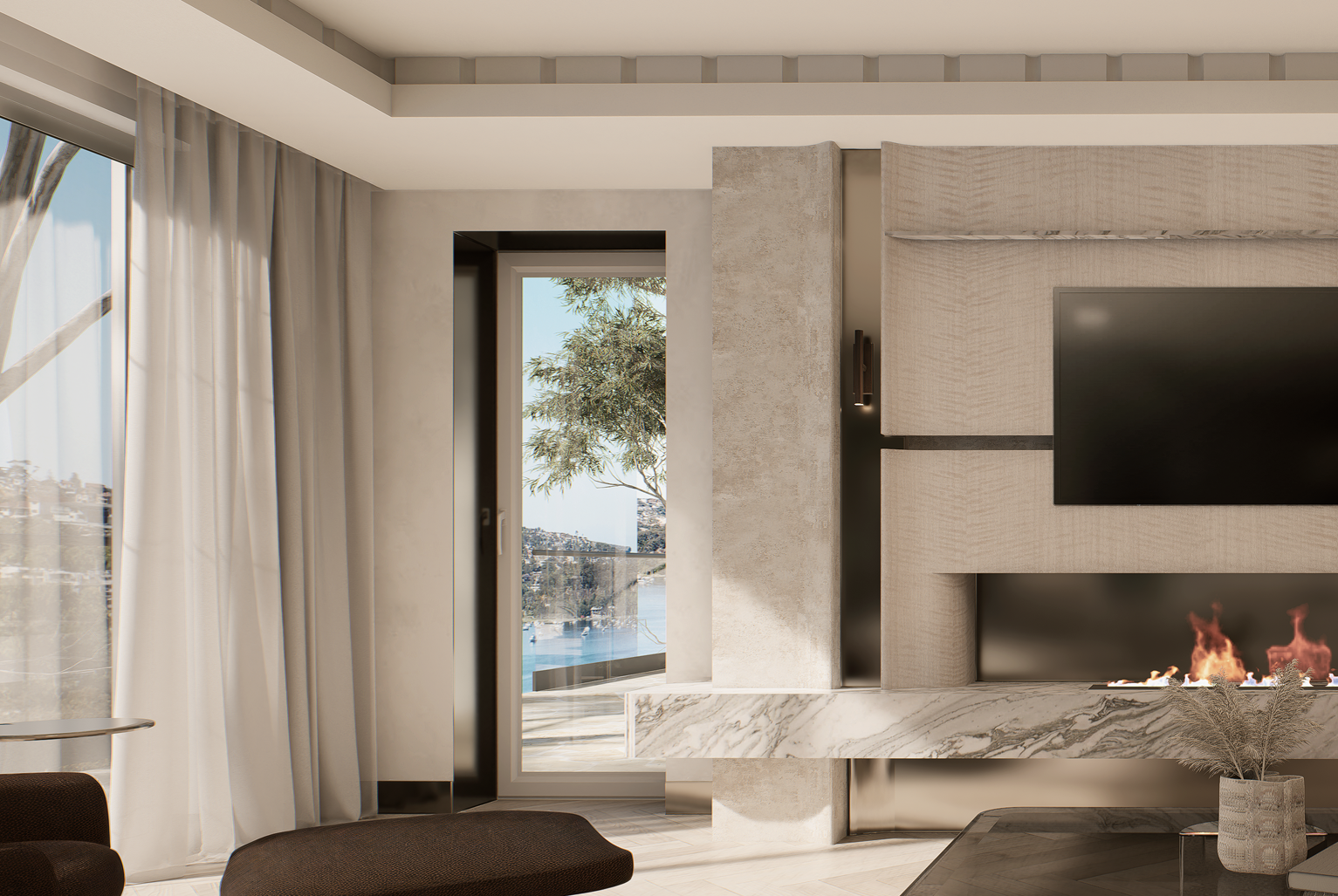
Investors in Australia are recently choosing homes that cost less to run and meet tougher building rules. Power bills have risen for many households, rental markets are tight, and governments have set a clear path for better-performing buildings. When a property stays warm in winter and cool in summer without burning cash, it leases faster and keeps good tenants. Smart design helps too, which is why many owners lean on local experts, from architects to best interior designers in Sydney, to make small spaces work harder without wasting energy. Here’s why sustainable residential investment properties are in demand.
1) New national building rules lift performance
New homes are expected to reach a minimum 7-star NatHERS rating and meet a “Whole-of-Home” energy budget that covers heating, cooling, hot water, lighting and on-site renewables.
Western Australia joined these NCC 2022 energy rules from 1 May 2025, so higher performance is now the norm for new builds across the country. For investors, that lowers compliance risk and points capital toward better stock.
2) Power bills push renters toward efficient homes
From 1 July 2025, the Australian Energy Regulator increased the Default Market Offer in NSW, South Australia and south-east Queensland. Even though only a slice of customers sit on these default plans, the price cap shapes market expectations and keeps energy costs in the spotlight. Properties that use less energy stand out in rental listings.
3) A national plan gives long-term certainty
On 15 August 2025, energy ministers updated the Trajectory for Low Energy Buildings. It is a national strategy that backs lower bills and better comfort on the road to a net-zero building sector. Clear policy reduces the chance that standards will swing back, which supports the value of performance upgrades over time.
4) Efficiency cuts real energy use, not just on paper
AEMO’s 2025 Energy Efficiency Forecasts show that stronger standards and better appliances drive lasting reductions in electricity and gas demand across homes. Lower demand means fewer bill shocks, less stress for tenants, and more stable rent payments, all of which are simple benefits that matter to landlords.
5) Solar is mainstream and adds rental appeal
Australia passed four million rooftop solar systems by late 2024, with more than 300,000 added in that year alone. Solar is familiar to buyers and renters, and it trims daytime costs for households, especially in all-electric homes. A property that can host PV, or already has it, often gets more clicks and quicker applications.
6) Green finance makes upgrades easier to fund
The $1 billion Household Energy Upgrades Fund helps lenders offer discounted loans for efficiency improvements, while products like Bank Australia’s Clean Energy Home Loan provide rate reductions for eligible homes and retrofits. Cheaper finance makes upgrades like heat-pump hot water, efficient reverse-cycle air-conditioning and better glazing easier to justify.
7) Lower risk of getting stuck with a “stranded” asset
Energy rules for new and existing homes are getting tougher, and more governments are moving toward showing energy ratings when people buy or rent. That means older homes that leak heat or rely on gas may need expensive fixes just to compete.
You lower this risk by fixing the basics (add good insulation, seal gaps to stop draughts, and use shading to keep summer sun out) then swap old gas or inefficient gear for modern electric systems like heat-pump heating and hot water. These upgrades make the place cheaper to run and more attractive to more buyers and tenants.
8) Renters care about comfort and clear information
Listings that show a verified energy rating and practical features, such as insulation levels, efficient heating and cooling, LED lighting, tend to attract more demand. When people can see how a home will feel and what it might cost to run, they make faster decisions.
Investors who publish ratings and upgrade dates build trust and reduce questions. For many owners, collaborating with residential interior designers in Sydney helps integrate storage, airflow and natural light so small apartments live large without extra energy.
9) Good design now includes durability and low-tox materials
Orientation, shading and acoustic control reduce energy use. Hard-wearing, low-VOC finishes cut maintenance and help properties present well at inspection.
Also Read: How Sustainability is Shaping Sydney's Commercial Interior Design
Conclusion
For investors, the playbook is clear. Improve the building shell first, electrify with efficient systems, add solar where possible, include efficient interior design in Sydney, and publish the numbers so applicants can see the benefits. The result is a home that’s easier to live in and cheaper to run. In 2026, that’s why demand is rising, and why these properties look well placed to hold value through the next market cycle.