
Lighting The Way: Why the Right Lighting is the Most Important Design Element in an Optical Shop
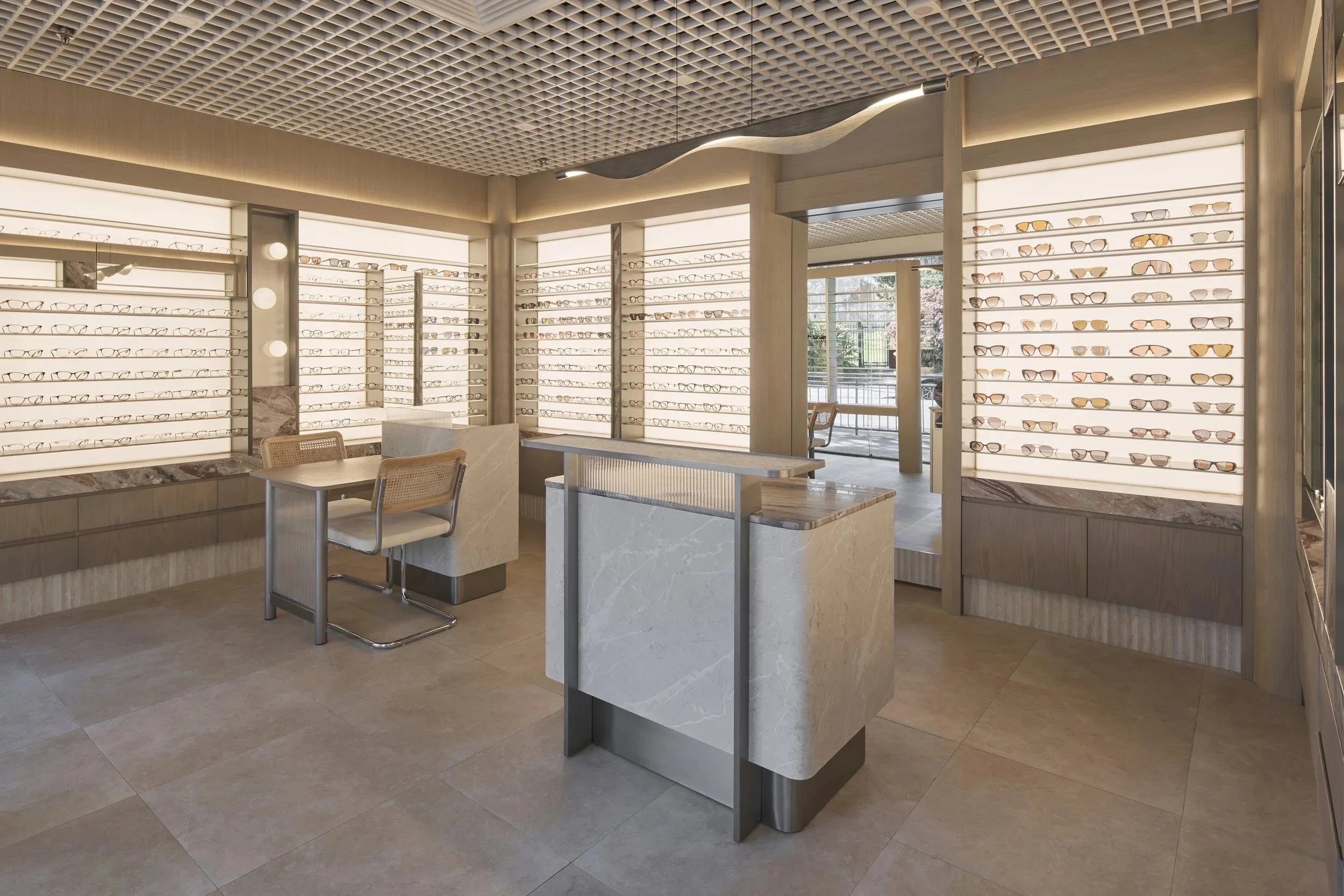
Good lighting does more than brighten a space. In an optical shop, it supports trust, helps customers judge frame colours, reduces distracting reflections, and makes the store feel comfortable to stay in. That is why lighting design in an optical shop often decides whether the fit-out feels premium or patchy.
What you’ll learn
Why lighting shapes customer confidence in a space that sells precision
How to balance brightness, comfort, and product focus
Why colour quality (not just “brightness”) matters for frames and skin tones
How to treat mirrors, dispensing benches, and testing rooms differently
A practical checklist you can use when planning a fit-out
Optical shop lighting design: What “good” looks like
Optical retail sits in a rare spot between health service and fashion. People want to feel looked after, not rushed. They also want frames to look right on their face, under the same kind of light they live in.
“Good” lighting in an optical shop usually comes down to four outcomes:
Clear, even visibility so the space feels calm and easy to navigate
Stronger light on displays so frames stand out without glare
Reliable colour so customers can judge tone and finish properly
Comfortable facial light at mirrors and consult points
Many stores try to solve everything by turning the lights up. That can backfire. Bright stores with lots of glare can make customers uncomfortable and less likely to return.
Layered retail lighting for opticians: Ambient, accent and task
An optical shop with good commercial interior design uses layers, not a single blanket of downlights. There are four layers of lighting: general (ambient), task, accent, and decorative lighting.
Ambient (general) lighting sets the baseline. It supports circulation, cleaning, and a sense of comfort. General lighting levels are usually around 30 to 50 footcandles in many retail settings, but this is adjusted depending on the space and usage.
Task lighting supports close work. In an optical setting, that includes dispensing benches, adjustments, repairs, and point-of-sale. Task lighting often requires higher levels than ambient lighting. Additionally, pay attention to glare control and shadow reduction in work areas.
Accent lighting is where retail becomes retail. It draws the eye to frame walls, hero tables, brand moments, and new collections.
Decorative lighting contributes to the look and feel and helps communicate the brand style, which matters when you’re asking someone to spend hundreds of dollars on frames.
From an interior design perspective, this layered approach also lets you control the mood. A shop can feel crisp and modern without feeling clinical, or warm and boutique without looking dim.
Eyewear display lighting:
Eyewear comes with built-in challenges: shiny acetate, polished metal, and curved lenses that catch light from every angle. If your display lighting is poorly aimed, the customer sees bright hotspots and reflections instead of the product.
Here are a few practical principles:
Light vertical surfaces, not just the floor. Wall washing and vertical brightness can make a store feel larger and improve how displays read at a distance.
Use controlled beams on frame bays. Adjustable track heads or recessed adjustables let you aim light onto frames, not into customers’ eyes. Experts often recommend adjustable solutions for flexibility and better product focus.
Avoid “flat” lighting. If everything sits at the same brightness, nothing looks special. Contrast helps customers understand where to look.
In fit-outs, be mindful of material palette. High-gloss joinery, mirrored finishes, and glass shelving can bounce light around in ways that look harsh. A calmer combination of matte and satin finishes usually gives you more control, while still feeling premium.
High-CRI lighting: Why colour accuracy matters
People obviously choose frames with their eyes. If the lighting shifts colour, customers can make the wrong call, then regret it in daylight.
CRI (Colour Rendering Index) is a common measure of how faithfully a light source shows colours compared to a reference. Higher CRI makes colours appear better and more natural, and it recommends CRI values around 80 to 100 for products presented “true-to-life”. Experts advise using high-CRI lighting, so frame colours display accurately.
Colour temperature matters as well. Colour temperature usually falls within warm, neutral, and cool white categories (measured in Kelvin). In practice, many optical shops lean toward neutral whites in retail zones, then tune warmer or cooler depending on the brand look and the natural light in the tenancy.
Lighting controls and energy: Why switches matter as much as fittings
Lighting should shift through the day. Morning sun, overcast afternoons, late-night trade, cleaning, and window displays all place different demands on a space.
Dimming and scene control let staff move between settings without guesswork. You can run a brighter, higher-contrast setting for peak browsing, then soften it later so the store feels welcoming rather than stark.
Energy efficiency matters too, but it should not drive every decision. LEDs help reduce load and heat, and the real win often comes from controls and zoning rather than just swapping fittings.
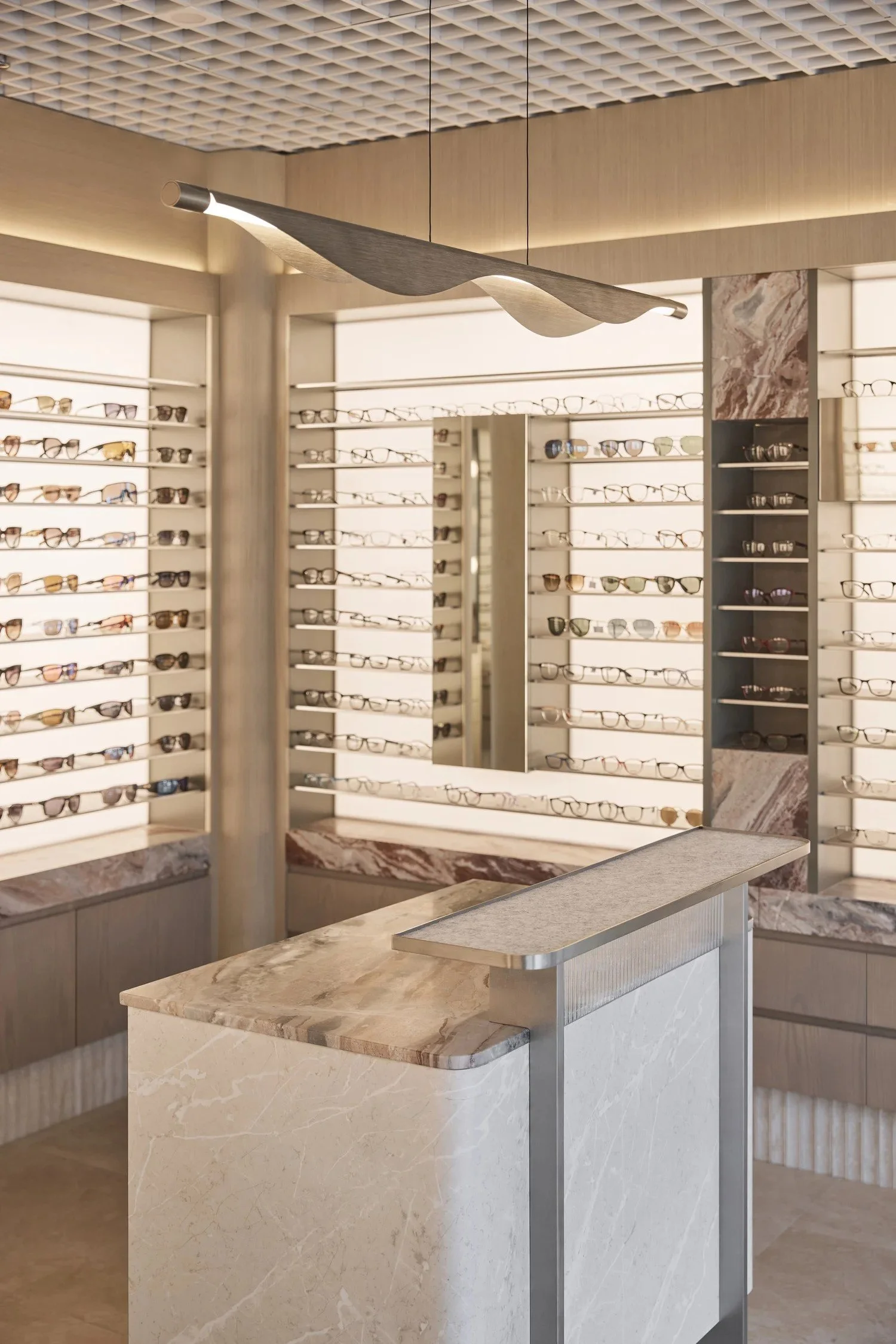
Your checklist for Optical fit-out lighting plan
If you’re planning a new store or refurbishment, this checklist helps keep lighting decisions grounded:
Map the customer journey: entry, browsing, try-on, consult, purchase
Set lighting layers for each zone (ambient, task, accent, decorative)
Prioritise vertical lighting on frame walls to support browsing
Plan contrast so featured ranges read clearly
Specify high colour quality light sources (CRI suited to product viewing)
Manage glare: aim and shield fittings, avoid harsh reflections
Design mirror lighting as a dedicated zone
Provide proper task lighting at dispensing benches
Add dimming and scenes so staff can adapt the space across the day
Coordinate lighting with finishes and joinery so the look stays consistent
Ready to plan an optical shop fit-out that looks sharp and feels easy to shop in? Speak with Al & Co Haus of Design about a tailored lighting and interior design package in Sydney. Call (02) 9517 9143 to book a consultation.
Also Read: The Psychological Impact of Interior Design
Frequently Asked Questions:
What is the best lighting for an optical shop?
Most optical shops work best with layered lighting: comfortable ambient light for the whole store, stronger accent light for frame displays, and task light where staff adjust and fit eyewear. Balancing these layers helps create a more inviting environment than relying on one bright level everywhere.How do you light eyewear displays without glare on lenses?
Aim controlled beams onto the frames and avoid placing bright sources in the main line of sight. Adjustable track heads or recessed adjustables help you fine-tune angles as displays change. Make sure to avoid glare and veiling reflections because they reduce comfort and clarity.What CRI rating is best for displaying eyeglass frames accurately?
For retail products where colour matters, higher CRI is suggested so colours appear more natural and true-to-life. As a starting point, many designers specify CRI in the 80+ range, then refine based on product mix and brand positioning.What colour temperature should optical retail lighting be?
Neutral white light often suits optical retail because it renders a wide range of colours evenly and feels clean without looking icy. Colour temperatures are categorised into warm, neutral, and cool white in Kelvin. The right choice depends on daylight, finishes, and brand tone.Track lighting vs downlights: What’s better for optical stores?
Many optical stores use both. Downlights can provide even ambient light, while track lighting adds flexibility for accenting frame walls and feature tables.