
How Much Does Cafe Interior Design Cost in Sydney - 2026 Guide
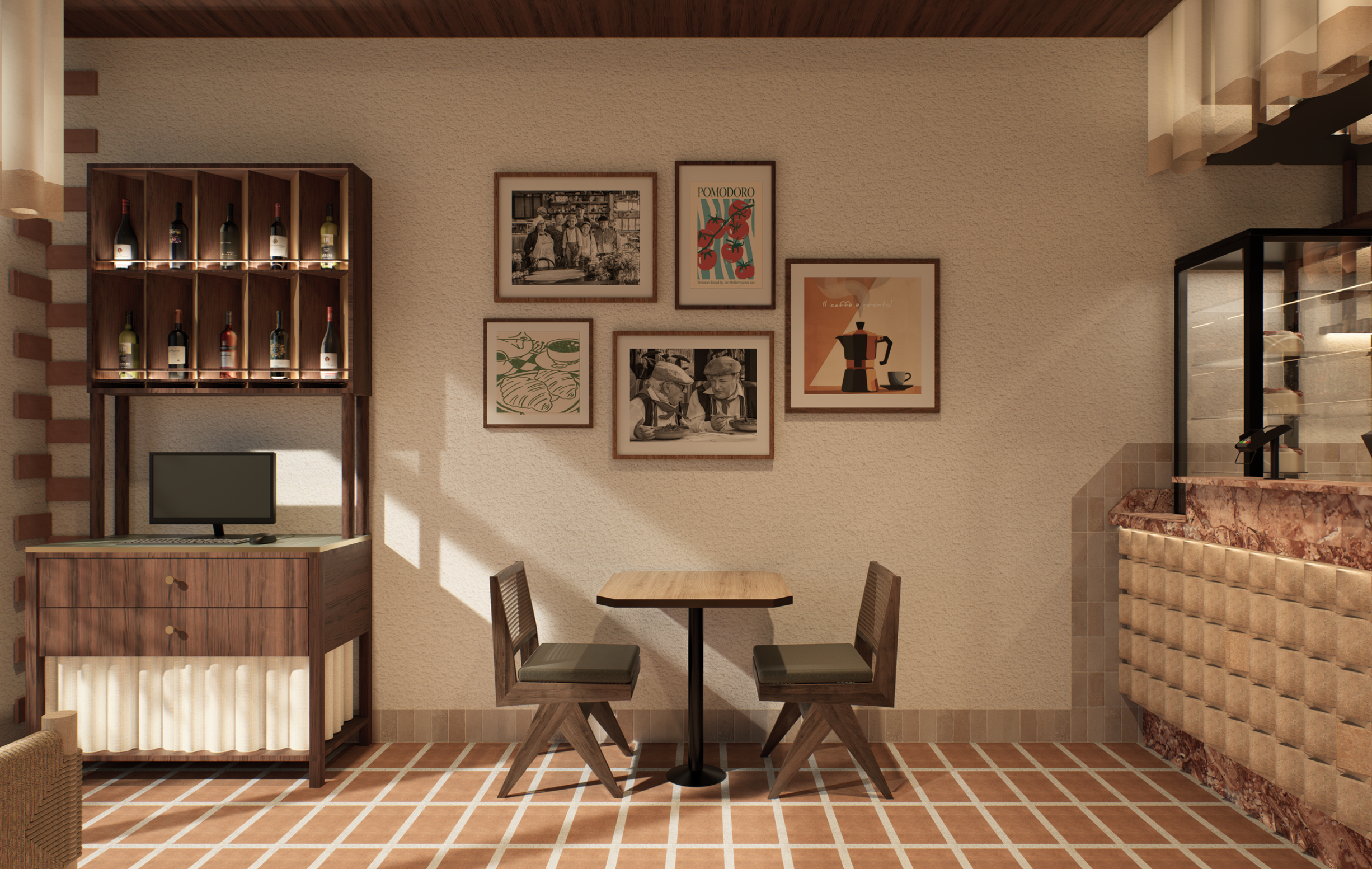
Working out the cost of café interior design in Sydney is rarely a matter of finding one neat number. In 2026, the budget usually depends on the size of the venue, the condition of the site, the amount of custom work involved and the approvals required before trade can begin.
Cost of cafe interior design in Sydney at a glance
For most café owners, costs fall into three practical tiers.
1. A light refresh is the least expensive option. This usually suits an existing venue with working services and a layout that does not need major alteration. A project like this may focus on paint, lighting, furniture and a modest counter update.
2. A mid-range fit-out is more substantial. It often includes revised seating, custom joinery, improved finishes and a stronger front-of-house identity.
3. A premium venue sits at the top end of the range. These projects involve more custom detailing, more documentation and closer coordination between design, compliance and construction. That is why two cafés with similar floor areas can end up with very different budgets.
What influences the cost of café interior design in Sydney?
The final figure is shaped by a mix of design and construction factors. The main ones include:
Site condition
An existing food premises can save money if plumbing, power and ventilation are already suitable.
A cold shell usually needs far more work before fit-out even begins.
Floor plan complexity
Small cafés are not always cheaper if the layout is awkward.
Tight corners, poor service locations and difficult circulation can make planning more labour-intensive.
Customisation
Standard finishes and loose furniture are usually more affordable.
Tailored counters, banquette seating, feature lighting and bespoke joinery add to both design and build costs.
Back-of-house needs
Kitchen coordination, storage, service flow and food-safe materials all affect the budget.
Hospitality spaces are more complex than retail spaces because they must support both customer experience and daily operations.
This is often where luxury cafe interior design becomes a separate category. The difference is not only visual. Premium projects usually require more detailed planning, more skilled fabrication, and a more refined finish throughout.
Typical budget ranges in café design for 2026
A useful way to budget is to think in project types rather than chase a single universal price.
Basic café refresh
Best for existing venues with workable infrastructure
Usually includes cosmetic upgrades
Often sits nearer the lower end of Sydney pricing
Mid-range café fit-out
Suitable for new operators or full refurbishments
Commonly includes joinery, layout revisions and stronger material selection
Often reflects the level expected in many hospitality interior design projects
Premium concept venue
Includes brand-led detailing and more tailored finishes
Often requires more consultant input and construction documentation
Tends to sit well above the base square metre rates
Also Read: Top Café Design Trends for 2025: Creating Social Media-Worthy Spaces
Design-only vs full-service interior design
This decision can shape both the fee and the overall project experience.
A design-only service may suit an owner who already has a builder, consultant team and a clear grasp of the process. It often covers concept development, layout planning, finishes and selected documentation.
A full-service arrangement is broader. It may include:
Concept design
Detailed documentation
Consultant coordination
Site reviews during construction
The lower upfront fee is not always the cheaper path in the long run. Where the site is complex, incomplete documentation or poor coordination can lead to redesign, delay or expensive changes on site.
Cost breakdown by design element
Most café budgets spread across the same broad categories, though not always in equal proportions.
Concept and brand direction - The overall look, feel and positioning of the venue
Layout planning - Seating mix, customer flow, queue space and service efficiency
Joinery - Counters, shelving, storage and fixed seating
Lighting and finishes - Decorative fittings, practical lighting and surface materials
Documentation - Drawings and details needed for approvals, pricing and construction
Why luxury café interiors cost more & why they’re worth it
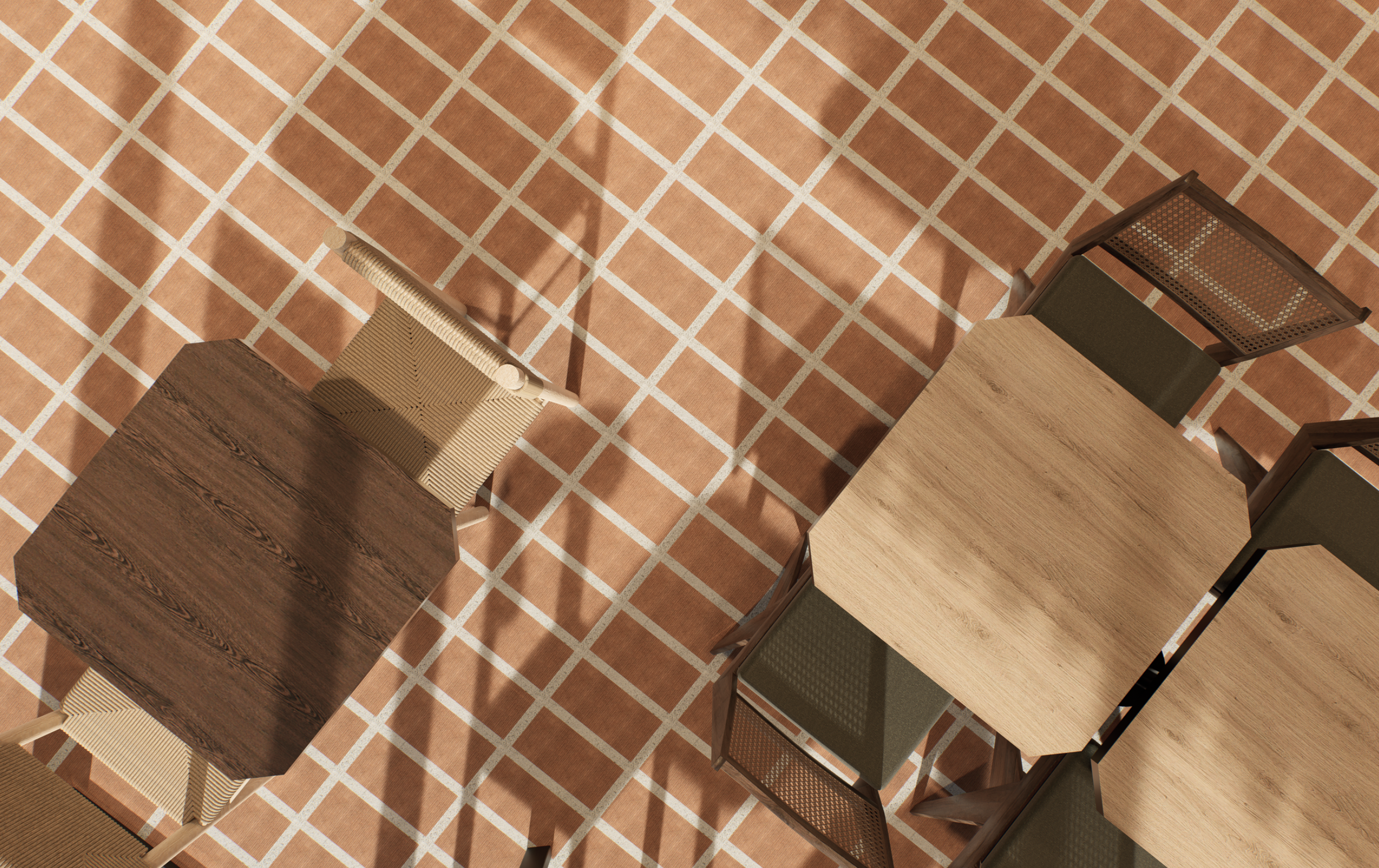
Premium café interiors cost more because the work is usually more exacting from start to finish. The materials may be better, though that is only part of it. The bigger factor is often the level of resolution in the design.
A high-end venue may require:
Custom-fabricated joinery
Layered lighting rather than simple functional lighting
Acoustic treatment for comfort
More tailored branding through the physical space
Tighter coordination between designer, builder and specialist trades
A polished result takes more decisions, more detailing and more time to execute well. That is what lifts the cost.
Should you hire bespoke commercial interior designers?
In some cases, yes. Bespoke commercial interior designers can be a strong fit where the site is difficult, the concept needs a clear point of difference or the owner wants a venue that feels tailored rather than generic.
They are often most useful when the project includes:
Custom seating or counters
A strong brand identity
Unusual site constraints
Higher expectations around finish and customer experience
For a very simple café, a more straightforward fit-out route may be enough. Not every venue needs highly customised design. The sensible question is whether the extra design effort will support the business model.
How Sydney café owners can budget smarter
A disciplined brief often saves more money than cutting visible elements at random. Owners usually get better value when they lock the layout early, prioritise durable finishes and spend where customers notice the difference most.
The most effective areas to prioritise are often:
The service counter
Lighting quality
Seating comfort
Durable, easy-to-clean finishes
Efficient staff movement behind the counter
The goal is not to make the café look expensive for its own sake. The goal is to make the space work hard, last well and still feel inviting after years of trade.
Planning a café in Sydney and want a space that looks polished, works efficiently and fits your budget? Speak with Alan & Co Haus of Design to discuss a tailored interior design approach that aligns with your concept, site requirements and long-term business goals.
Frequently asked questions
How much does café interior design cost in Sydney in 2026?
Sydney café projects often start around $2,500 to $4,500 per square metre for simpler fit-outs, while broader hospitality projects commonly sit around $3,500 to $6,000+ per square metre. The final cost depends on site condition, custom work and compliance needs.What is usually included in an interior design fee?
It varies by service model. Fees may cover concept design, layout planning, materials, joinery direction, documentation, consultant coordination and site reviews. Hourly, fixed-fee and percentage-based pricing are all common in Australia.Do I need approval for a café refurbishment in Sydney?
In many cases, yes. The City of Sydney states that if you are taking on, renovating or converting a food business, you need to ensure you have the appropriate consent before trading.Why do café fit-outs cost more than standard retail fit-outs?
Cafés need food-safe finishes, service coordination, ventilation, kitchen planning and stricter compliance requirements. Those added layers make hospitality projects more involved than many standard retail interiors.Is premium interior design worth it for a café?
It can be, provided the investment improves function as well as presentation. Premium design tends to make sense when it supports customer comfort, smoother service, stronger branding and a more durable fit-out.