
Key Restaurant Interior Design Principles that Enhance Guest Experience

A restaurant’s interior does more than set a mood. It shapes first impressions, affects comfort, guides movement, and influences whether guests feel relaxed enough to stay, return, and recommend the venue to others. Layout, lighting, acoustics, materials, and spatial flow all affect the dining experience in different ways. A thoughtful restaurant interior designer looks at the whole journey, from the entrance to the last seat in the room.
Start with the arrival experience
Guests begin judging a restaurant before they open the menu. The approach, entry, signage, and threshold all set expectations. If the entrance feels cluttered, dim, or confusing, that sense of friction often carries into the meal.
A strong arrival sequence usually includes:
A clear entry point that is easy to spot
Enough space for waiting, greeting, or prams
Lighting that feels warm rather than harsh
Materials and colours that reflect the restaurant’s identity
A sense of welcome, whether through greenery, texture, or simple visual order
This does not mean every venue needs a dramatic façade. It means the first few seconds should feel intentional and calm.
Plan layout and circulation with care
Good restaurant design should help guests move naturally through the space. It should also help staff work without constant bottlenecks. A well-designed floor plan can support staff efficiency, guest comfort, and even table turnover, which shows how closely design and operations are linked.
When planning the interior, focus on:
Clear paths between entrance, host point, dining area, bar, and amenities
Table spacing that protects comfort and privacy
Seating variety, such as standard tables, banquettes, and higher perches
Visual anchors that help guests understand the room at a glance
This is often where a restaurant interior design company earns its keep. A polished room can still feel awkward if guests and staff keep crossing paths or if the seating plan sacrifices comfort for numbers.
Use seating to balance comfort, privacy, and energy
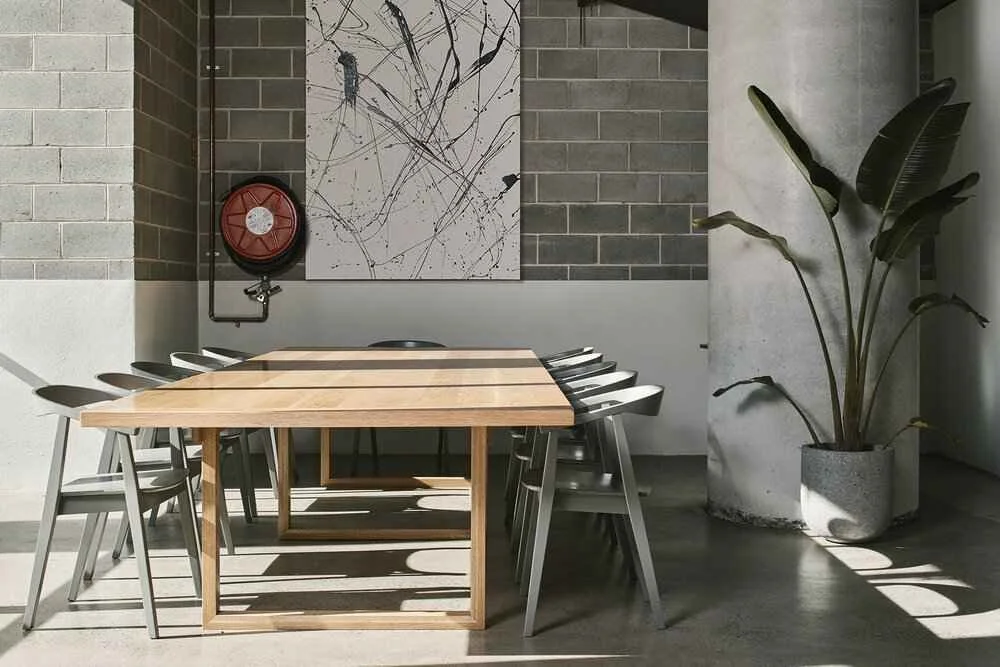
Seating has a direct effect on how long people want to stay. Chairs that are too upright may suit fast turnover, while deeper seating can work better in venues built around longer meals or drinks. The point is not to pick one format, but to match seating to the pace and purpose of the venue.
A balanced scheme often includes:
Supportive dining chairs for longer sittings
Banquette seating to soften the room and use wall lines well
Smaller two-top tables that can be joined when needed
Enough acoustic separation to allow conversation without strain
Guests notice comfort quickly, even if they never say it aloud. They also notice when every seat feels exposed.
Get lighting right for different times of day
Lighting changes how food, faces, and finishes are perceived. The right lighting can make a restaurant feel cosy, warm, welcoming, or intimate, while poor lighting can flatten even a beautifully designed room. The value of testing lighting and using dimmers for different areas and times of day should never be overlooked.
In practical terms, that means:
Brighter light for lunch and service clarity
Softer pools of light for evening dining
Feature pendants or wall lights to create focal points
Avoiding glare on tables, menus, and glassware
A room should feel alive at noon and settled at night, not stuck in one setting.
Build warmth through colour, texture, and detail
Guests respond to rooms that feel layered and grounded. Warm neutrals, timber, brick, stone, plaster, and soft upholstery often create a sense of comfort because they soften the hard surfaces common in commercial spaces.
Decorative details matter too. Arches, framed artwork, textured walls, and planted areas can give a room depth without tipping into clutter.
What matters most is consistency. The palette, furniture, and detailing should feel related, not assembled from separate ideas.
This is where restaurant interior design services can help translate a concept into a coherent physical space rather than a collection of attractive items.
Do not ignore acoustics
Noise is one of the fastest ways to spoil a good meal. Consider acoustic panels, soft surfaces, and proper speaker placement to deliver a better customer experience. A restaurant does not need to be silent, but guests should not have to compete with the room to hold a conversation.
Frequently Asked Questions
How does restaurant interior design affect guest experience?
It affects mood, comfort, ease of movement, privacy, and how memorable the visit feels. Layout, light, sound, and seating all shape the experience in ways guests notice straight away.
What is the best layout for a restaurant?
There is no single best layout. The right plan depends on service style, menu, staffing, and floor area. The strongest layouts balance circulation, comfort, and efficient service.
How important is lighting in restaurant design?
Very important. Lighting affects ambience, food presentation, and visual comfort. Adjustable lighting usually works best because lunch and dinner call for different settings.
What makes a restaurant interior inviting?
Clear entry points, warm colours, comfortable seating, natural textures, greenery, and a calm sense of order all help make a space feel welcoming.
Why do acoustics matter in restaurants?
Poor acoustics make conversation tiring and can affect customer satisfaction. Soft finishes, acoustic treatment, and sensible music levels help create a room people want to stay in.
Thoughtful restaurant design can shape how guests feel, move, and remember the space long after the meal ends. If you are planning a new venue or refresh, working with an experienced design team can help turn practical needs into a more welcoming dining experience.